When the familiar spinning wheel of doom appears on an iPhone screen, anticipation and frustration collide. Users often wonder just how long it’ll take for their beloved device to prepare that all-important update. It’s a bit like waiting for water to boil—excruciatingly slow and filled with hope for a delicious result.
Understanding iPhone Update Preparations
Preparing for an iPhone update involves essential steps that can affect overall performance and user experience. Knowing this helps users manage their anticipation better.
Importance of Software Updates
Software updates play a crucial role in optimizing device security. With each update, Apple addresses vulnerabilities, reducing the risk of data breaches. Enhancements in performance often follow software upgrades, leading to smoother operation. Users experience better battery management and improved app functionalities with each new version. Staying current also ensures access to the latest features, which can significantly improve usability. Regular updates extend the lifespan of devices by keeping software relevant and efficient.
Common Update Issues
Various issues can occur during the update process. A common problem involves insufficient storage space, which leads to failed installations. Users may experience slow download speeds due to heavy traffic on Apple servers, delaying the update. Another frequent issue includes the device getting stuck on the update screen, causing frustration. Compatibility problems with older devices may force users to postpone updates. Network connectivity can also hinder the progress, especially with unstable Wi-Fi signals. Being aware of these potential challenges helps users prepare effectively.
Factors Influencing Update Duration
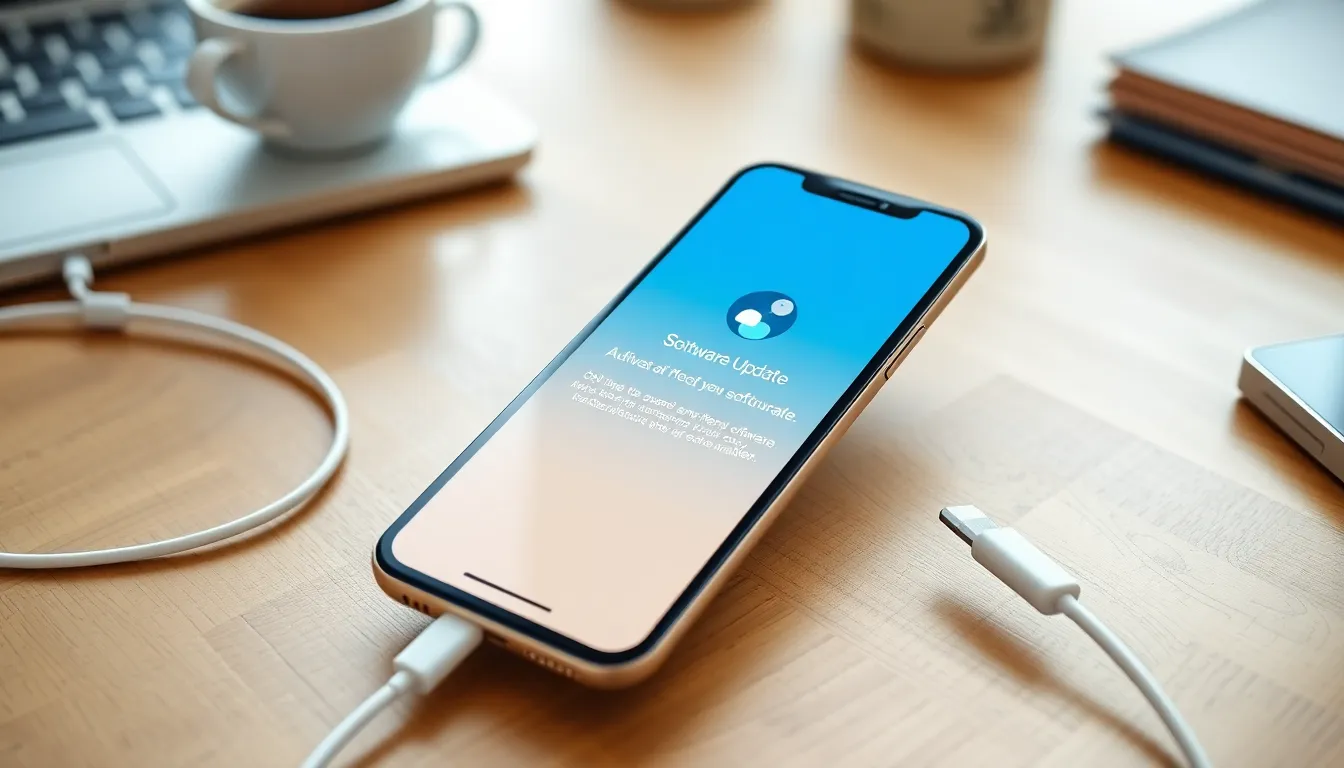
Several factors affect the time it takes for an iPhone update to prepare and install. Two significant aspects include device model variations and internet connection speed. Understanding these elements can help users manage their update expectations.
Device Model Variations
Device models can significantly influence update time. Newer iPhone models often process updates more quickly than older versions. They benefit from advanced hardware and enhanced processing capabilities. Consequently, users with the latest devices may experience shorter update durations. In contrast, older devices may require more time due to less efficient processors. Updates also vary in size based on the device, which can further impact the installation duration.
Internet Connection Speed
Internet connection speed plays a crucial role in update duration. Fast Wi-Fi networks typically facilitate quicker downloads compared to slow connections. Users with stable broadband connections often complete updates in a fraction of the time it takes others on slower networks. Interruptions in connectivity can prolong the process, leading to frustrating delays. Therefore, ensuring a reliable and speedy internet connection contributes significantly to a smoother update experience.
Steps to Prepare for an Update
Preparing for an iPhone update involves a few essential steps that enhance the likelihood of a smooth installation and optimal performance.
Backing Up Your Data
Backing up data is crucial before any update. Users can utilize iCloud or iTunes for this process. iCloud offers an easy, wireless way to back up files automatically, while iTunes allows users to create backups directly on a computer. Ensuring that all important data is secure helps prevent potential loss if anything goes wrong during the update. Preferably, users should confirm the backup is recent and accurate. With their data safeguarded, they can proceed with updates confidently.
Ensuring Sufficient Storage
Sufficient storage is vital for a successful update. Checking available space on the device ensures that the download and installation processes occur without issues. Users can navigate to Settings, then General, and finally iPhone Storage to review this information. Generally, updates range from several hundred megabytes to a few gigabytes. Clearing out apps, photos, or videos that are no longer needed helps free up space. Maintaining at least 1 to 3 gigabytes of available storage creates the ideal environment for installation.
What to Expect During the Update Process
Understanding the update process helps set realistic expectations. Users encounter various timeframes based on several factors.
Timeframe for Different Updates
Each iPhone update may take a different amount of time depending on the scale of changes. Smaller updates generally finish within 15 to 30 minutes. Larger updates like major iOS releases may require up to an hour or more. Users with newer models often notice quicker installations due to enhanced hardware capabilities. Slower devices may need additional time. Fast internet connections greatly affect download speeds, allowing for a smoother experience. When multiple users are downloading updates simultaneously on the same network, this may extend the update duration for everyone involved.
Monitoring the Update Progress
Monitoring the progress of an update helps users stay informed. Users can view the installation status through a progress bar displayed on the screen. The bar indicates how much of the update has completed. Regularly checking this progress can help maintain patience throughout the installation. Users may also receive notifications when the update reaches key milestones, such as downloading versus installing. If an update seems to stall, restarting the device might encourage a smoother installation process. Remaining attentive during this period ensures that no essential steps are missed, reducing potential frustrations.
The process of preparing for an iPhone update can be a blend of anticipation and patience. By understanding the factors that influence update duration and ensuring proper preparations like backing up data and managing storage, users can navigate this experience with greater ease. Staying informed about what to expect during the update helps in managing frustrations that may arise. With the right approach, users can optimize their devices effectively while minimizing potential complications. Embracing these practices not only enhances the update experience but also contributes to the overall longevity and performance of the iPhone.