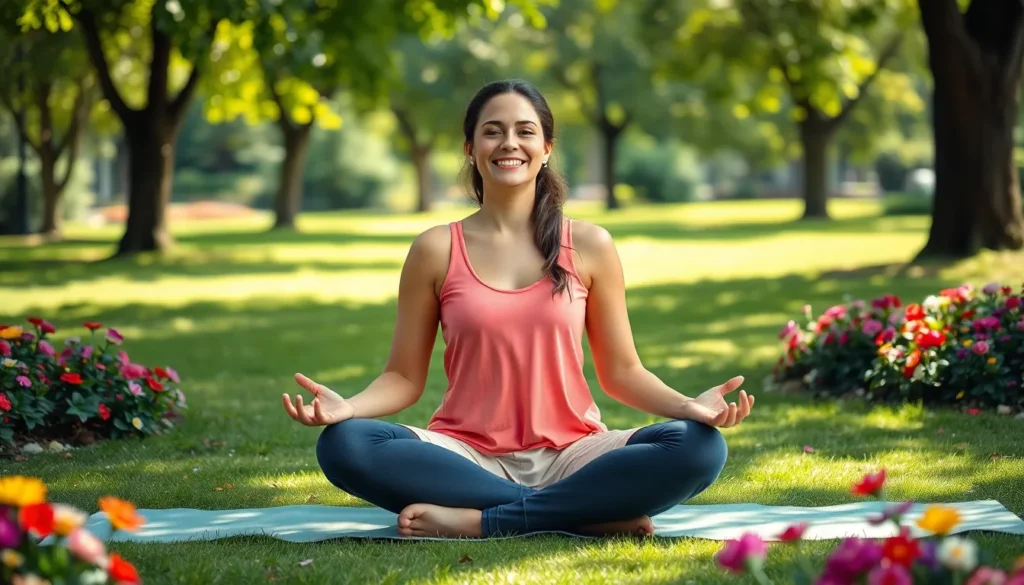
Stress is like that uninvited guest who shows up at the party and refuses to leave. It sneaks into daily life, turning simple tasks into monumental challenges. But fear not! There’s a way to send stress packing and reclaim your peace of mind.
Understanding Stress
Stress affects many people, disrupting daily routines and creating challenges in various aspects of life. A deeper understanding of stress helps in managing its impact.
Definition of Stress
Stress refers to the body’s response to perceived threats or demands. It can arise from various situations, whether they are physical, emotional, or mental. Stress triggers the release of hormones, which prepare the body to react. Not all stress is negative; some stressors can motivate and enhance performance. Chronic stress, however, leads to health issues, such as anxiety, depression, and cardiovascular problems. Recognizing the signs of stress is essential for effective management.
Causes of Stress
Stress originates from multiple sources, often categorized into external and internal factors. External factors include work pressures, relationship issues, financial challenges, and major life changes. Internal factors consist of personal beliefs, expectations, and coping abilities. An overwhelming workload, for instance, typically causes significant stress for many individuals. Time management difficulties contribute to feelings of inadequacy, intensifying stress levels. Environmental factors, such as noise or crowding, also play a role in triggering stress responses. Understanding these causes paves the way for developing effective coping strategies.
Benefits of Reducing Stress
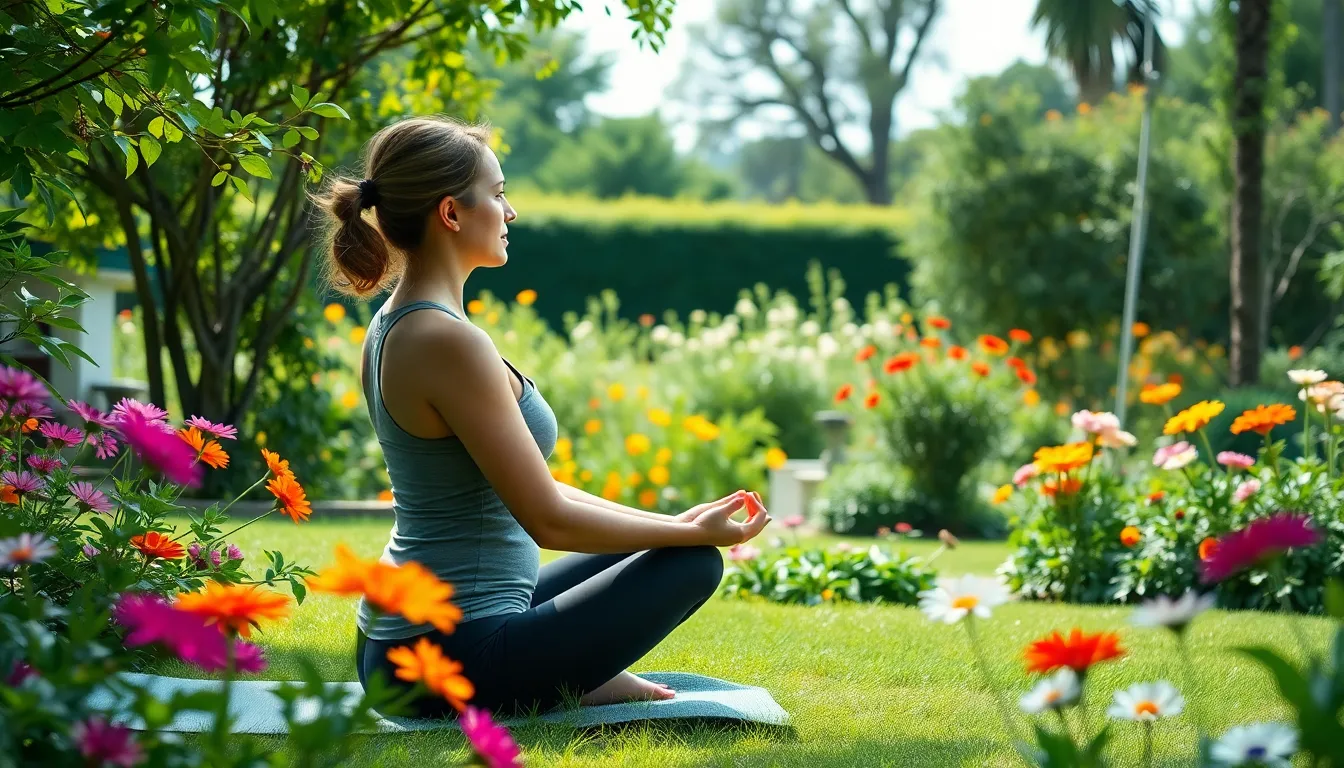
Reducing stress leads to numerous benefits that significantly improve wellbeing. Both mental and physical health receive positive impacts.
Improved Mental Health
Reducing stress contributes to better mental health. It lowers the risk of anxiety and depression, promoting a clearer thought process. Enhanced focus and improved memory often result from effective stress management. People who successfully reduce stress report greater life satisfaction. Increased resilience helps individuals cope with challenges more effectively. Regular relaxation techniques, such as meditation or deep-breathing exercises, can foster a sense of calm. Improved mood is also a common outcome, which elevates overall mental clarity.
Enhanced Physical Health
Reducing stress enhances physical health significantly. Positive effects include lower blood pressure and decreased heart rate, leading to better cardiovascular health. Strengthened immune function results in fewer illnesses. Individuals who practice stress-reduction techniques tend to experience improved digestion and reduced muscle tension. Regular physical activity acts as a stress-reliever, boosting energy levels and promoting better sleep patterns. Recognizing and managing stress contributes to longevity and improved quality of life, making it vital for overall wellness.
Strategies to Reduce Stress
Effective strategies exist to reduce stress and enhance daily life. Incorporating various techniques offers individuals multiple avenues to find relief.
Mindfulness and Meditation
Mindfulness practices promote awareness of the present moment. Engaging in meditation helps individuals calm their thoughts and decrease anxiety levels. Research shows regular meditation sessions improve emotional regulation and enhance overall wellbeing. One study revealed that 10 minutes of daily mindfulness meditation significantly reduces stress markers. Practicing mindfulness in daily activities, such as eating and walking, cultivates a deeper sense of connection and tranquility. Consistent application leads to improved resilience against stressors.
Physical Activity
Physical activity serves as a powerful stress reliever. Engaging in exercises like walking, cycling, and swimming raises endorphin levels, creating a natural mood boost. A minimum of 30 minutes of moderate exercise most days enhances energy levels and reduces tension. Group activities, like dance classes or team sports, foster social connections that further alleviate stress. Many individuals find that varied exercise routines keep them motivated and engaged. Consistency in physical activity not only enhances physical health but also mental clarity.
Time Management Techniques
Time management techniques help individuals prioritize tasks effectively. Using tools like to-do lists enhances organization and reduces feelings of overwhelm. Setting specific deadlines for tasks creates a structured approach to managing responsibilities. Breaks during work hours allow for recharging and increased focus. Implementing techniques, such as the Pomodoro Technique, can enhance productivity while preventing burnout. These time management strategies not only optimize efficiency but also create a sense of control.
Healthy Eating Habits
Healthy eating habits play a crucial role in stress reduction. Nutrient-rich foods, such as fruits, vegetables, and whole grains, provide essential vitamins that boost cognitive function. Incorporating omega-3 fatty acids, found in fish and flaxseeds, supports brain health and reduces anxiety. Staying hydrated with water can also impact overall stress levels. Eating smaller, balanced meals throughout the day stabilizes energy and mood. Developing healthy eating patterns fosters resilience against stress and promotes longevity.
Stress-Reducing Activities
Engaging in stress-reducing activities effectively promotes mental and emotional well-being. Consider the following options for managing stress.
Hobbies and Interests
Participating in hobbies and interests offers a fun escape from daily pressures. Activities such as painting, knitting, or playing a musical instrument provide creative outlets and foster self-expression. Learning new skills can boost confidence and serve as valuable distractions. Joining clubs or groups centered around shared interests encourages social interaction, which can alleviate feelings of isolation. Readers often report enhanced moods and reduced anxiety after dedicating time to their favorite pastimes.
Nature and Outdoor Activities
Spending time in nature has profound stress-reducing benefits. Outdoor activities like hiking, gardening, or simply walking in a park contribute to improved mental clarity. Nature exposure promotes a sense of calm and helps clear the mind. Engaging in physical activities outdoors boosts endorphin levels and can significantly improve mood. Fresh air and natural scenery enhance feelings of well-being, providing a refreshing contrast to indoor environments. Integrating outdoor pursuits into routines offers individuals an effective strategy for managing stress.
Reducing stress is essential for achieving a balanced and fulfilling life. By implementing effective strategies like mindfulness practices physical activity and healthy eating individuals can significantly improve their mental and physical health. Recognizing the signs of stress and understanding its causes allows for proactive management and fosters resilience in facing life’s challenges.
Incorporating stress-reducing activities such as hobbies and time spent in nature not only enhances emotional well-being but also promotes a sense of community and connection. Embracing these techniques can lead to a more peaceful mind greater life satisfaction and ultimately a higher quality of life. Prioritizing stress reduction is a vital step toward living a healthier and more enjoyable existence.