Table of Contents
TogglePasta lovers rejoice! Who says you can’t indulge in your favorite comfort food while keeping things healthy and vegetarian? With a sprinkle of creativity and a dash of flavor, healthy pasta recipes can transform your meals from mundane to magnificent. Imagine twirling zucchini noodles or savoring whole grain spaghetti drenched in a vibrant, homemade sauce.
These recipes are not just about cutting calories; they’re about celebrating fresh ingredients and bold flavors. Whether you’re a seasoned chef or a kitchen novice, there’s a delightful dish waiting to be discovered. So grab your apron and prepare to impress your taste buds while keeping your health in check. After all, who knew being healthy could be this delicious?
Overview Of Healthy Pasta Recipes Vegetarian
Healthy pasta recipes for vegetarians incorporate nutritious ingredients, ensuring meals remain flavorful and satisfying. Many recipes utilize whole grain pasta, which offers additional fiber and nutrients compared to traditional pasta options. Experimenting with various vegetables, such as spinach, tomatoes, and bell peppers, enhances the dish’s color and taste while boosting its nutritional value.
Fresh herbs add layers of flavor without excessive calories. Incorporating ingredients like basil, parsley, and oregano elevates the overall experience. Utilizing homemade sauces contributes to health benefits, allowing control over sugar and sodium levels. A simple tomato sauce made from fresh tomatoes can provide a rich base for multiple recipes.
Zucchini noodles serve as an excellent alternative to traditional pasta, catering to those seeking lower carbohydrate options. Spiralizing zucchini creates a delightful texture while pairing well with various sauces. Mixing cauliflower or lentil pasta into recipes increases protein content, fitting into a balanced vegetarian diet.
Pairing healthy pasta with legumes enhances protein intake further. Options such as chickpeas or black beans complement recipes and add filling components. Seasonal vegetables work beautifully with pasta dishes, promoting variety and freshness. Roasting vegetables like squash or asparagus can intensify natural flavors and create a hearty meal.
Portion control remains essential when serving pasta. Balancing meals with adequate servings of vegetables maximizes nutritional benefits and keeps meals light. Overall, healthy vegetarian pasta recipes present endless possibilities, encouraging creativity and satisfaction while prioritizing nutrition.
Benefits Of Vegetarian Pasta Dishes
Vegetarian pasta dishes offer a variety of benefits, enhancing both health and environment. These meals are not just flavorful but also nutritious.
Nutritional Value
Whole grain pasta provides essential nutrients and dietary fiber, supporting digestive health. Veggies like spinach, tomatoes, and bell peppers add vitamins and minerals, making dishes colorful and nutrient-dense. Fresh herbs, such as basil and oregano, deliver antioxidants without extra calories. Pairing pasta with legumes like chickpeas or black beans boosts protein content, making meals more satisfying. Additionally, alternatives like zucchini noodles or lentil pasta introduce lower carbohydrates and higher protein, catering to diverse dietary needs. Balancing these ingredients leads to wholesome meals that nourish the body.
Environmental Impact
Choosing vegetarian pasta dishes contributes positively to the environment. Plant-based meals require significantly less water and natural resources in comparison to meat-based diets. Favoring seasonal vegetables helps reduce carbon footprints, as these items typically undergo less transportation. Reducing meat consumption lowers methane emissions associated with livestock. Sustainable practices within vegetarian cooking promote biodiversity and protect ecosystems. Every plate of vegetarian pasta not only supports personal health but also aids in protecting the planet.
Popular Healthy Pasta Ingredients
Healthy pasta dishes rely on nutritious ingredients that enhance flavor and boost health benefits. Selecting the right components makes a significant difference in both taste and nutrition.
Whole Grain Pasta
Whole grain pasta stands out for its higher fiber content and essential nutrients. Fiber aids digestion, helps maintain fullness, and supports heart health. This pasta option provides a more complex flavor compared to traditional varieties, making it a popular choice among health-conscious cooks. Brands offer whole grain options that blend well with sauces and vegetables, ensuring satisfaction in every bite. Selecting whole grain pasta creates a balanced base for numerous culinary creations.
Vegetables And Legumes
Incorporating a variety of vegetables elevates the flavor profile of pasta dishes. Spinach, cherry tomatoes, bell peppers, and broccoli offer vibrant colors and key vitamins. Legumes like chickpeas and black beans also add protein, helping to create satisfying meals without meat. Mixing vegetables with pasta ensures nutrient diversity while enhancing the overall dish. Seasonal vegetables not only provide freshness but also support local agriculture, making dishes flavorful and eco-friendly.
Healthy Sauces
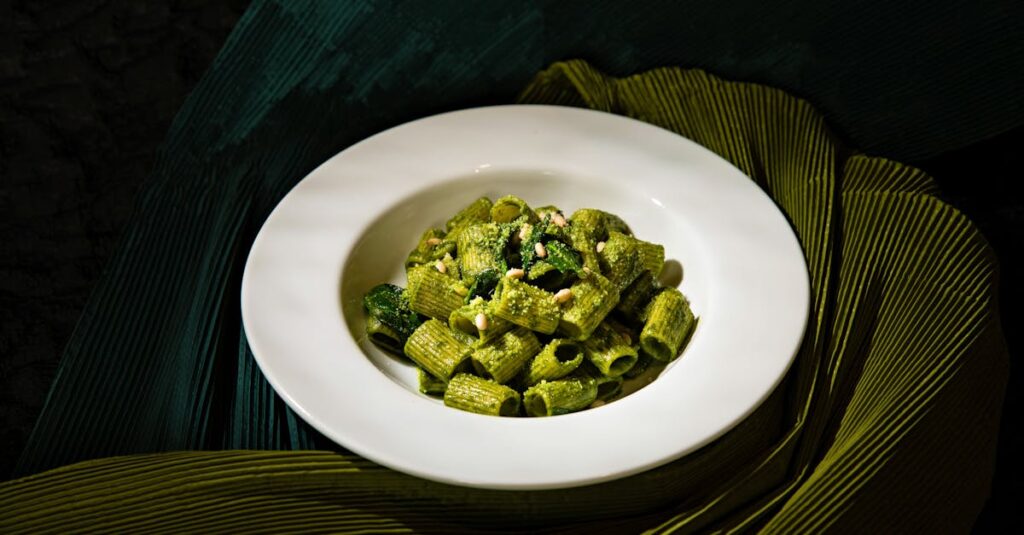
Homemade sauces offer control over ingredients, allowing cooks to create healthier options. Utilizing fresh tomatoes, garlic, and herbs reduces added sugars and sodium. Olive oil serves as a heart-healthy fat, enriching both flavor and nutrition. A simple pesto made from basil, nuts, and nutritional yeast can serve as a flavorful alternative. Additionally, using pureed vegetables adds creaminess while increasing nutritional value. Balancing flavors in sauces contributes to a well-rounded meal everyone can enjoy.
Delicious Healthy Pasta Recipes
Healthy pasta can be both satisfying and flavorful. Here are three delicious vegetarian recipes to try:
Recipe 1: Zucchini Noodles With Pesto
Zucchini noodles provide a fresh, low-calorie base. Start by spiralizing two medium zucchinis for noodles. Next, blend fresh basil, garlic, pine nuts, and olive oil for a vibrant pesto. Combine the zucchini noodles with the pesto until they’re well coated. Serve with cherry tomatoes for added color and flavor. Garnish with parmesan cheese, if desired. This dish offers a refreshing twist on traditional pasta.
Recipe 2: Whole Wheat Penne Arrabbiata
Whole wheat penne adds heartiness and nutrition to this dish. Cook eight ounces of penne according to package instructions until al dente. In a skillet, heat olive oil and sauté minced garlic with red pepper flakes for flavor. Pour in one can of crushed tomatoes, simmering for about 10 minutes. Drain the penne, then toss it in the sauce. Top with fresh parsley for presentation. This recipe provides a balance of heat and comfort.
Recipe 3: Lentil Pasta Primavera
Lentil pasta offers a protein-packed alternative. Boil eight ounces of lentil pasta until tender. While the pasta cooks, sauté a mix of seasonal vegetables like bell peppers, zucchini, and broccoli in olive oil. Add minced garlic and cook until fragrant. Drain the pasta, then combine it with the sautéed vegetables. Season with salt, pepper, and a squeeze of lemon juice. This dish highlights the freshness of vegetables, delivering vibrant flavors with each bite.
Tips For Making Pasta Healthier
Making pasta healthier involves a few strategic choices and techniques. Prioritizing the right ingredients and preparation methods significantly enhances nutrition without sacrificing flavor.
Portion Control
Portion control plays a vital role in enjoying pasta dishes while maintaining health. Using smaller plates helps create an illusion of a fuller serving, making it easier to manage portions. Balancing pasta with a generous serving of vegetables raises nutritional value while filling the plate. Aim for a 1:1 ratio of pasta to vegetables to boost fiber intake. Measuring servings can also offer insights into portion sizes, ensuring meals remain satisfying yet not overwhelming. Implementing these practices contributes to mindful eating, leading to healthier choices.
Cooking Methods
Cooking methods greatly impact the healthiness of pasta dishes. Opting for steaming or sautéing vegetables rather than frying retains essential nutrients and flavor. Relying on low-sodium vegetable broth adds depth without excess salt. A light drizzle of olive oil enhances taste and provides healthy fats. Baking pasta dishes like casseroles offers a chance to incorporate more vegetables and lean proteins, ensuring a balanced meal. Utilizing quick cooking techniques preserves the nutrients in pasta and vegetables, resulting in not only delicious but also wholesome meals.
Exploring healthy vegetarian pasta recipes opens up a world of delicious possibilities. By using fresh ingredients and focusing on nutritious components, anyone can create satisfying meals that align with their health goals. The versatility of whole grain pasta and the vibrant flavors of seasonal vegetables make it easy to enjoy comfort food without compromise.
Incorporating legumes and homemade sauces further enhances the nutritional value while keeping meals flavorful. With a little creativity and the right techniques, healthy pasta dishes can become a staple in any kitchen. Embracing these recipes not only nurtures personal well-being but also supports a sustainable lifestyle. Enjoy the journey of crafting wholesome pasta meals that excite the palate and nourish the body.